Eco roofs
Eco roofs: why is their popularity growing?
Green roofs moderate temperatures, collect rainwater and create habitat. Here is how the three types differ.
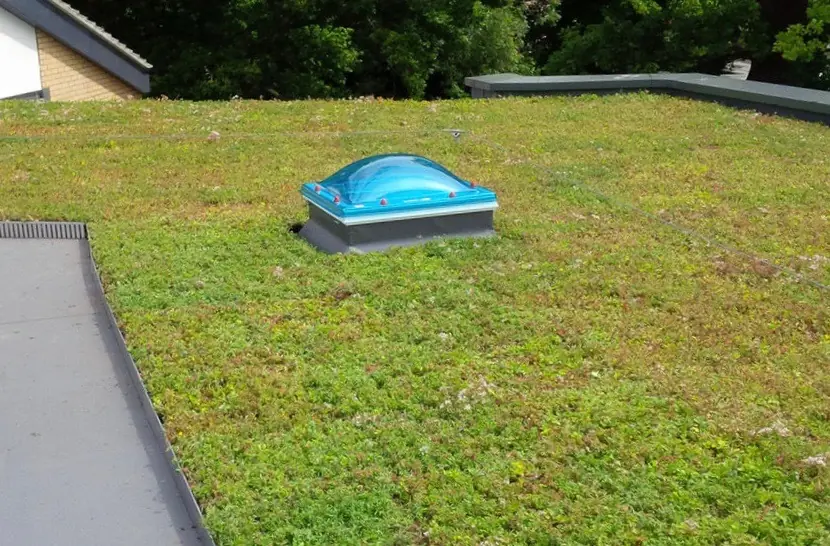
An eco roof, also known as a green roof, is a roof covered in vegetation: plants, mosses, herbs, grasses or shrubs. These thriving micro-systems support the environment by creating a sustainable space on what would otherwise be a barren, unused surface.
Three main types
Eco roofs fall into three broad categories: extensive, semi-intensive and intensive. The main difference is the depth of the growing medium, and therefore the plants that thrive there.
- Extensive: a shallow growing medium and lower roof load, with plants limited to small species such as mosses. Inexpensive, natural looking, low maintenance and lightweight, with no irrigation or drainage required.
- Intensive: a deeper growing medium that can support a diverse range of plants, sometimes even small trees or shrubs. A good insulator, attractive to wildlife, accessible and usable for recreation or even growing food.
- Semi-intensive: sits between the two.
The benefits
Overall benefits include moderating indoor temperatures, collecting and filtering rainwater, providing habitat for wildlife and potentially reducing the manufactured materials needed to build and maintain the roof.
How they are built
The growing medium is made of mineral aggregates with only a small amount of organic material, so it holds water while staying lightweight, stable and resistant to decomposition. An eco roof can be installed as one integrated system or in smaller sections, often plastic planting beds fitted together to cover the roof.
If you would like to repair or replace your roof so it is ready for a future eco roof, we can help you create the right flat roof on a suitable load-bearing structure.